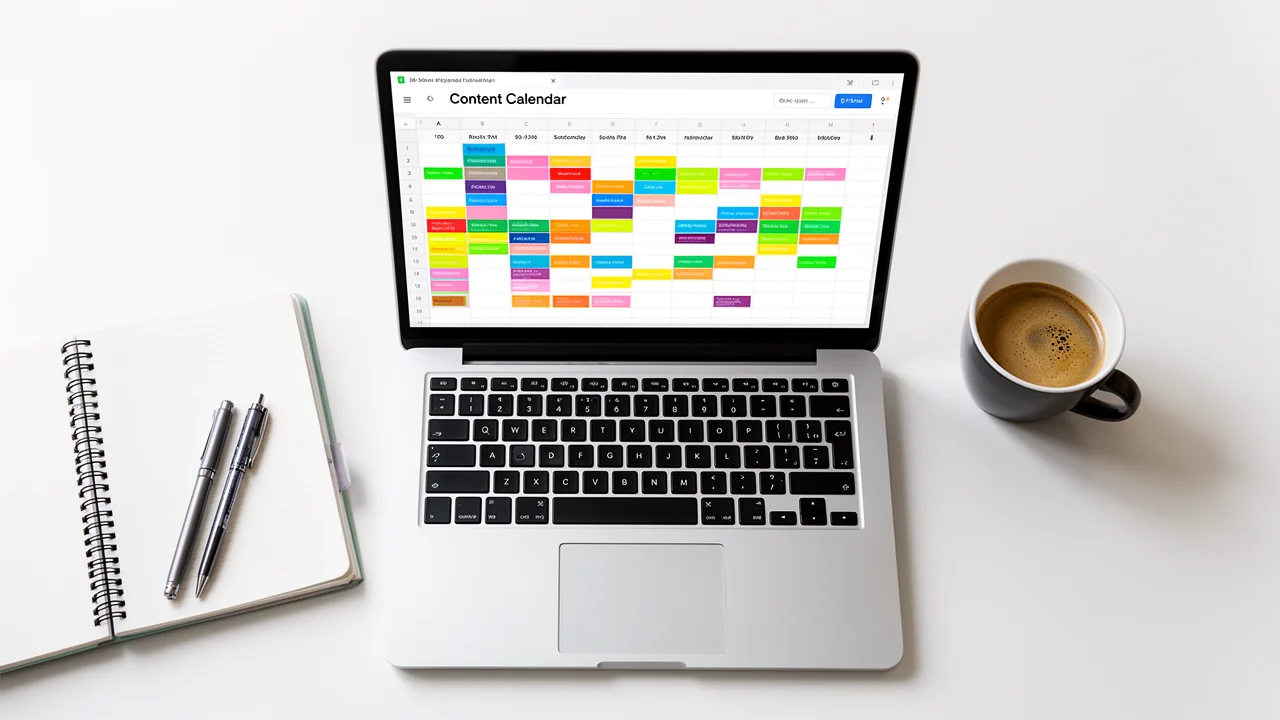
What is a Content Calendar for a Network?
A content calendar, specifically for a Private Blog Network (PBN), is a centralized planning tool that schedules the creation, publication, and promotion of content across all subdomains or sites within your network. Unlike a standard editorial calendar, a network calendar must account for cross-linking strategies, topic siloing, and varied publishing frequencies to mimic natural, independent websites. This tool is essential for maintaining the operational integrity and SEO effectiveness of your network. For the technical foundation that makes managing multiple subdomains simple, platforms like Turbo Subdomains provide the necessary infrastructure.
Why is a Strategic Calendar Critical for PBNs?
Without a calendar, network management becomes chaotic, leading to inconsistent publishing, poor content quality, and detectable footprints. A strategic calendar ensures:
- Consistency & Authenticity: Regular publishing schedules make each site in your network appear like a legitimate, actively maintained blog. 2. Topic Cohesion: It helps you plan content clusters and silos, ensuring each subdomain builds authority around specific, related keywords. 3. Efficient Resource Management: It allows you to batch-create content, manage writers, and schedule posts in advance, saving significant time. 4. Risk Mitigation: By spacing out publications and varying content types, you avoid patterns that search engines might flag as manipulative. Effective PBN management solutions often emphasize the importance of such disciplined scheduling.
How to Build Your Network Content Calendar
Follow this step-by-step framework to create a calendar that supports your SEO and brand awareness goals.
1. Audit and Define Network Structure First, map out your entire network. List each subdomain, its primary topical focus (e.g., ‘content marketing,’ ’link building’), and its target audience. This clarity is the bedrock of your plan.
2. Establish Publishing Frequency Determine how often each site should publish. A common strategy is a tiered approach: your ‘money’ sites or core subdomains might post weekly, while supporting sites post bi-weekly or monthly. Consistency within each site is more important than uniform frequency across the network.
3. Plan Content Themes and Clusters For each subdomain, plan monthly or quarterly themes. Under each theme, create a cluster of 3-5 pillar articles and several supporting blog posts. This builds topical authority. For example, a site focused on ‘SEO strategy’ might have a quarterly theme on ‘Technical SEO Audits.’
4. Schedule for Maximum Impact Use your calendar to schedule: - Publication Dates: The actual go-live date for each piece. - Creation Deadlines: When the first draft is due. - Internal Linking: Plan which existing articles on your network the new post will link to, and vice-versa. - Promotion Tasks: Schedule social shares or other promotional activities.
5. Integrate Repurposing Plan to maximize each piece of high-quality content. A comprehensive guide can be repurposed into infographics, social media snippets, or podcast episodes. For detailed strategies on this, see our guide on how to repurpose content across networks.
Key Components of an Effective Calendar Template
Your calendar template should track the following for each content piece: - Subdomain/Site: Which property in the network it belongs to. - Publish Date: The scheduled live date. - Content Title & Target Keyword: The primary SEO focus. - Content Type: (e.g., Pillar post, how-to guide, listicle, news update). - Author/Writer: Who is responsible. - Status: (Idea, Assigned, In Draft, Editing, Scheduled, Published). - Internal Links: Planned links to other pages within the network. - Promotion Notes: Any specific outreach or sharing plans. Using a tool like Google Sheets, Airtable, or a dedicated project management platform can make this process seamless, especially when paired with user-friendly software designed for network operations.
Common Pitfalls to Avoid
Even with a calendar, mistakes can undermine your network.
- Over-Promotion: Scheduling too many commercial or affiliate-heavy posts in a row. Mix in informational, ’top-of-funnel’ content. - Predictable Patterns: Publishing on the same day/time for every site. Introduce randomness. - Ignoring Analytics: Not reviewing which content performs well to inform future planning. Your calendar should be a living document. - Footprint in Content Itself: Using the same writing style, image sources, or citation patterns across all sites. Diversify your sources and voices. This is a key concern for SEO professionals managing brand awareness campaigns through networks.